If you own a 2005 Nissan Escape, getting the tire pressure right is one of the simplest things you can do to stay safe, save fuel, and avoid uneven tire wear. Running your tires at the wrong PSI whether too high or too low can shorten their lifespan, hurt your braking distance, and even lead to a blowout. The recommended tire pressure for 2005 Nissan Escape stock size is specific to this vehicle, and guessing or copying pressure from another car won't cut it. Let's walk through exactly what you need to know.
What Is the Recommended Tire Pressure for a 2005 Nissan Escape?
The factory-recommended tire pressure for the 2005 Nissan Escape is 30 PSI for both the front and rear tires. This applies to the standard trims running the stock tire sizes. You'll find this number printed on the tire information placard located on the driver's side door jamb, just open the door and look along the edge of the frame.
This recommendation assumes you are using the original equipment tires that came with the vehicle. If you're unsure which tires match your trim, check the guide on how to verify the original tire size on a 2005 Nissan Escape.
Does the Tire Pressure Change Depending on Trim Level?
The 2005 Nissan Escape came in several trims XLS, XLT, and Limited. While the stock tire sizes differ slightly between trims (for example, the XLS often used P225/70R15 tires while the XLT and Limited came with P235/70R16), the recommended inflation pressure stays at 30 PSI front and rear for normal driving conditions.
That said, you should always double-check the placard on your specific vehicle. If the original sticker is missing or unreadable, you can also find the information in your owner's manual under the tires and loading section.
How Tire Size Affects Pressure Needs
Tire size and tire pressure are connected. A taller or wider tire has a different internal volume and contact patch than a smaller one. For the stock sizes on the 2005 Escape, Nissan engineers (in partnership with Ford, which shared the platform) designed the 30 PSI recommendation to balance ride comfort, handling, and tread life. If you want to understand the full specs of each tire size option, the breakdown of tire size with load index and speed symbol covers what each number on your sidewall means.
Where Exactly Should I Look for the Correct PSI?
There are two places to check:
- Driver's side door jamb sticker – This is the most reliable source. It lists the cold tire pressure for front, rear, and spare tires.
- Owner's manual – Found in the tire maintenance section, it matches the door placard information.
A common mistake is reading the pressure printed on the tire sidewall itself. That number often 44 PSI or 51 PSI is the maximum cold pressure the tire can handle, not the recommended driving pressure. Inflating to that level will give you a harsh ride, reduced traction, and faster center-tread wear.
Why Does Keeping the Right Tire Pressure Matter So Much?
Running your 2005 Escape on underinflated or overinflated tires creates real, measurable problems:
- Underinflation increases rolling resistance, which means worse fuel economy. It also builds excess heat in the tire, raising the risk of a blowout especially on highway drives in warm weather.
- Overinflation reduces the contact patch between the tire and road. You lose grip, especially in wet conditions, and the center of the tread wears down faster than the edges.
- Uneven pressure between tires can cause the vehicle to pull to one side and put extra stress on your suspension components.
The U.S. Department of Transportation estimates that underinflated tires contribute to roughly 600 fatalities per year. It's a small maintenance task with outsized safety consequences. You can read more about tire safety data from the NHTSA tire safety resource.
How Often Should I Check the Tire Pressure on My 2005 Escape?
Check your tire pressure at least once a month and always before long trips. Tires naturally lose about 1–2 PSI per month through normal air permeation. Temperature changes also affect pressure for every 10°F drop in outside temperature, your tires lose roughly 1 PSI.
This means the pressure you set in July might be noticeably lower by November. A good habit is to check first thing in the morning, before driving, when the tires are "cold" (meaning the car has been parked for at least three hours). That's the condition the 30 PSI recommendation is based on.
Do I Need Different Pressure for Heavy Loads or Towing?
If you're carrying a full load of passengers or cargo, or towing a small trailer, you may need to increase the rear tire pressure slightly. The door placard on the 2005 Escape typically lists a higher pressure for loaded conditions often around 33–35 PSI rear. Check your specific placard for the exact figure.
Never exceed the maximum pressure listed on the tire sidewall, even when loaded. If you regularly haul heavy loads, you might also want to review the stock tire size for optimal handling to make sure your tires are rated for the weight you're carrying.
What Gauge Should I Use to Check Tire Pressure?
A simple pencil-style gauge works, but a digital tire pressure gauge gives more accurate readings and is easier to read. Gas station air machines can be unreliable some are off by 3–5 PSI. For under $15, a quality digital gauge is one of the best tools you can keep in your glove box.
Common Mistakes People Make with Tire Pressure
- Reading pressure on hot tires. Driving heats up the air inside and increases the reading by 3–5 PSI. Always check when cold.
- Ignoring the spare. The 2005 Escape's compact spare should be inflated to 60 PSI. Check it twice a year.
- Setting all four tires the same without checking the placard. Some vehicles have different front and rear specs. On the 2005 Escape they happen to match at 30 PSI, but always verify.
- Assuming newer tires need different pressure. The PSI recommendation is based on the vehicle, not the tire brand. Stick with 30 PSI as long as you're using the stock tire size.
- Forgetting about seasonal temperature swings. A pressure that was perfect in summer can be dangerously low in winter.
Quick-Reference: 2005 Nissan Escape Tire Pressure
| Position | Cold PSI (Normal Load) | Cold PSI (Fully Loaded) |
|---|---|---|
| Front | 30 PSI | 30 PSI |
| Rear | 30 PSI | 33–35 PSI |
| Compact Spare | 60 PSI | |
Check your door placard for the exact loaded specification on your specific vehicle.
Practical Checklist: Tire Pressure Maintenance for Your 2005 Escape
- ✅ Buy a digital tire pressure gauge and keep it in your glove box
- ✅ Check pressure once a month, always on cold tires
- ✅ Set front and rear tires to 30 PSI for normal driving
- ✅ Increase rear pressure to the loaded spec when carrying heavy cargo or towing
- ✅ Inspect the compact spare (60 PSI) every six months
- ✅ Recheck pressure whenever the outside temperature shifts by 20°F or more
- ✅ Verify your stock tire size matches the door placard recommendation especially if you bought the vehicle used
- ✅ Replace the door placard sticker if it's damaged or missing (your dealer can order one)
Keeping your 2005 Nissan Escape at the right tire pressure takes less than five minutes a month. It protects your tires, improves fuel economy, and keeps you safer on the road. If you haven't checked yours in a while, grab a gauge today and make sure you're sitting at 30 PSI cold.
 Nissan Escape Original Stock Tire Size Verification Guide
 Nissan Escape Factory Specified Tire Dimensions and Stock Tire Size Guide
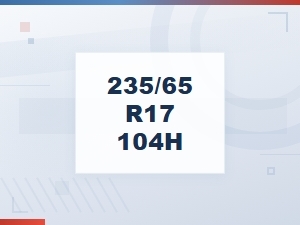 Nissan Escape Tire Size with Load Index and Speed Symbol
 Keyword: Nissan Escape Stock Tire Size for Optimal Handling
 Nissan Escape Tire Size Chart by Trim Level
 Nissan Escape Tire Size Chart by Trim