If you've ever noticed your Nissan Escape pulling to one side, wearing through tires unevenly, or just feeling loose in the corners, the problem might be simpler than you think. The stock tire size your vehicle left the factory with isn't arbitrary it was chosen to work with the suspension geometry, weight distribution, and steering system. Running the wrong size, even by a small margin, can quietly degrade handling, fuel economy, and safety. Knowing the Nissan Escape stock tire size for optimal handling is the first step toward keeping your SUV driving the way it was designed to.
What Is the Stock Tire Size on a Nissan Escape?
The stock tire size depends on the model year and trim level of your Nissan Escape. Most commonly, you'll see sizes like 235/65R17 or 235/55R18 as original equipment. These dimensions are printed on the tire sidewall and can also be found on the driver's side door jamb sticker. Each number in that size tells you something specific the tire width in millimeters, the sidewall height as a percentage of the width, and the wheel diameter in inches. The factory-specified tire dimensions were tested extensively during development to balance ride comfort with responsive steering.
How to Read a Tire Size Code
Take 235/65R17 as an example:
- 235 tire width in millimeters
- 65 aspect ratio, meaning the sidewall height is 65% of the width
- R radial construction
- 17 rim diameter in inches
Changing any of these numbers affects how the vehicle handles. A taller sidewall absorbs more bumps but adds body roll. A wider tire improves grip but may cause rubbing or change steering feel.
Why Does the Right Tire Size Affect Handling So Much?
Your Nissan Escape's stability control, anti-lock brakes, and traction management systems are all calibrated around the stock tire circumference and grip characteristics. When you swap to a different size say, going from a 17-inch to a 19-inch wheel you change the overall rolling diameter, which throws off speedometer readings, shift points, and electronic intervention thresholds.
More importantly for handling, the tire's contact patch, sidewall flex, and load rating all shift with size changes. A tire that's too narrow for the vehicle's weight won't grip properly in emergency maneuvers. One that's too wide can feel sluggish and add unnecessary rolling resistance. You can review the complete stock tire specifications to see exactly what your year and trim requires.
What Happens If I Use a Different Tire Size?
Swapping tire sizes doesn't always cause immediate problems, but the effects build up over time. Here's what commonly goes wrong:
- Uneven tire wear mismatched sizes stress the drivetrain and cause irregular wear patterns
- Reduced wet and snow traction the tread compound and design are paired with the size for a reason
- Steering vagueness incorrect aspect ratios make the steering feel disconnected from the road
- False ABS or traction control warnings different rolling diameters confuse wheel speed sensors
- Lower fuel economy wider tires add drag; taller tires change gear ratios
These aren't dramatic failures you'll notice on day one. They creep in gradually, which is why many drivers don't connect the dots back to tire size.
How Can I Find the Exact Stock Tire Size for My Year?
The most reliable method is checking three sources against each other: the tire information placard on the driver's door jamb, the owner's manual, and the tire sidewall itself (if the tires haven't been replaced yet). If the previous owner already swapped tires, the sticker on the door jamb is your most trustworthy reference.
For a step-by-step walkthrough, especially on older models, this guide on how to verify the original tire size on a 2005 Nissan Escape covers the process clearly.
Common Stock Sizes by Trim
- S / Base trims typically 235/70R16
- SV / SE trims often 235/65R17
- SL / Platinum trims usually 235/55R18
Always verify for your specific model year, as manufacturers adjust fitments across generations.
Can I Go Slightly Bigger or Smaller Without Hurting Handling?
There's a generally accepted tolerance of about 3% difference in overall diameter from the stock size. Within that window, most systems still function correctly. But "functional" and "optimal" aren't the same thing. Even a 2% change alters the ride height slightly, which shifts the center of gravity and changes how weight transfers during cornering or braking.
If handling is your priority whether for daily confidence in bad weather or spirited weekend driving sticking within 1% of the stock diameter is the smarter call. Use an online tire size calculator to compare overall diameters before you buy.
What Tire Brands Work Best With Stock Nissan Escape Specs?
Once you've confirmed the correct size, the brand and model you choose still matter. Not all 235/65R17 tires perform the same. For balanced handling on a crossover SUV like the Escape, look for:
- Touring all-season tires good all-around grip, quiet ride, long tread life (e.g., Michelin Defender, Continental TrueContact)
- Grand touring tires slightly sharper handling with a comfort bias (e.g., Pirelli Scorpion Verde, Bridgestone Ecopia)
- Performance all-season tires best dry grip, moderate snow capability (e.g., Continental CrossContact, Yokohama Geolandar)
Match the load index and speed rating to what's listed on the door jamb sticker. Going below the specified load rating is a safety concern, not just a handling one.
Common Mistakes People Make With Tire Replacement
Here are the errors that cost drivers the most in handling and money:
- Matching only width, ignoring aspect ratio a 235/55R18 and a 235/65R18 are very different tires despite the same width
- Buying used tires with unknown history internal damage from potholes or prior repairs isn't always visible
- Replacing two tires instead of four mixing old and new tread depths creates uneven grip, especially in wet conditions
- Skipping alignment after new tires even a slight misalignment eats through a new set in under 10,000 miles
- Ignoring TPMS recalibration some size changes require sensor reprogramming
Does Tire Pressure Play a Role in Handling Too?
Absolutely. Even the perfect stock tire size won't handle well if the pressure is wrong. The recommended PSI for your Nissan Escape is listed on the door jamb sticker not on the tire sidewall. The sidewall number is the maximum pressure the tire can hold, not what your vehicle needs.
Underinflation causes sloppy turn-in response and excessive sidewall flex. Overinflation reduces the contact patch and makes the ride harsh, which actually decreases grip on rough roads. Check pressure monthly and always when temperatures drop in fall and winter.
Quick Checklist Before You Buy Replacement Tires
- Confirm the exact stock size from the door jamb sticker, not from memory or a previous purchase
- Match load index and speed rating to factory specs
- Check overall diameter if you're tempted by a different size stay within 3% at most
- Replace all four tires together when possible for balanced handling
- Schedule a wheel alignment immediately after installation
- Verify TPMS compatibility with your new tire and wheel setup
- Set tire pressure to the door jamb recommendation once the tires are mounted
- Keep your tire style consistent with your vehicle's design identity even font choices on signage and branding use precision sizing; for example, typography enthusiasts might explore Montserrat for clean, modern readability
Getting the stock tire size right on your Nissan Escape isn't about being a gearhead it's about trusting that the engineers who designed your suspension, braking, and stability systems knew what they were doing. Stick close to factory specs, and your SUV will reward you with confident, predictable handling every time you drive.
 Nissan Escape Original Stock Tire Size Verification Guide
 Nissan Escape Factory Specified Tire Dimensions and Stock Tire Size Guide
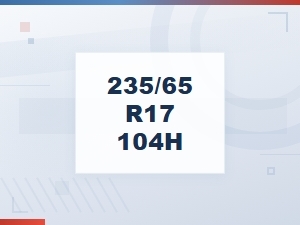 Nissan Escape Tire Size with Load Index and Speed Symbol
 Recommended Tire Pressure for 2005 Nissan Escape Stock Size
 Nissan Escape Tire Size Chart by Trim Level
 Nissan Escape Tire Size Chart by Trim