Knowing the correct OEM tire specifications for your Nissan Escape isn't just a detail for car enthusiasts. It directly affects your ride comfort, braking distance, fuel economy, and how long your tires last. Put the wrong size on, and you could end up with uneven wear, a shaky steering wheel, or even a warning from your mechanic. Whether you're replacing worn-out tires or upgrading to a new set, starting with the factory specs is always the safest move.
What Does OEM Tire Specification Actually Mean?
OEM stands for "Original Equipment Manufacturer." When it comes to tires, OEM specification refers to the exact tire size, load index, speed rating, and type that Nissan fitted to your Escape when it left the factory. These numbers aren't random. Engineers matched them to the vehicle's weight, suspension geometry, and braking system.
For example, a common OEM tire size for the Nissan Escape might be listed as P235/70R16. That string tells you the tire's width, sidewall height relative to the width, construction type, and rim diameter. Getting any one of those numbers wrong can throw off your speedometer reading and compromise handling.
Where Can I Find the OEM Tire Size for My Nissan Escape?
You don't need to guess or rely on a forum post. There are three reliable places to check:
- Driver's side door jamb sticker Open the door and look for a placard. It lists the original tire size and recommended cold tire pressure.
- Owner's manual Nissan includes the tire specifications in the manual that came with the vehicle.
- The tires currently on the car If they've never been replaced, the sidewall markings reflect the OEM size.
If your Nissan Escape came with different trims, the tire size can vary. Our Nissan Escape tire size chart by trim breaks down exactly which size goes with which trim level.
Why Do the Wrong Tires Cause Problems?
Installing tires that don't match the OEM spec can create real issues. A tire that's too wide may rub against the wheel well during turns. One that's too narrow can reduce grip, especially in wet conditions. An incorrect load index means the tire might not support the vehicle's weight under full passenger or cargo load.
Speed ratings matter too. A tire rated "T" (118 mph) vs. "H" (130 mph) handles differently at highway speeds. Going below the OEM speed rating is generally not recommended, while going above it is usually fine but you'll want to match the load index at minimum.
What Tire Sizes Did Nissan Use Across Model Years?
Nissan updated tire specifications over the years as the Escape's platform evolved. Here's a general overview:
- Early models often came with 16-inch wheels and tires like P235/70R16.
- Mid-cycle refreshes moved some trims to 17-inch or 18-inch options with lower-profile tires.
- Later versions offered 19-inch wheels on higher trims, paired with tires like P235/55R19.
For owners of older models, we've put together a detailed breakdown for the 2005 Nissan Escape recommended tire size that covers every trim and option package from that year.
Can I Use a Different Tire Size Than What Came on the Car?
You can, but it requires careful planning. Many drivers switch to slightly larger or smaller tires for better off-road capability, a smoother ride, or a sportier look. The key is staying within a range that doesn't significantly change the overall tire diameter usually within 3% of the OEM spec.
A tire size calculator can help you compare. If your OEM tire has an overall diameter of 29.0 inches and you want to switch to a 30.5-inch tire, that's roughly a 5% increase. That's enough to affect your speedometer accuracy and may require recalibration.
What About the Ford Escape? Are the Specs Similar?
It's easy to confuse the Nissan Escape and Ford Escape since they share a similar name and market segment. But the specs are not interchangeable. The Ford Escape uses different wheel bolt patterns, offset measurements, and OEM tire sizes. If you own both or are shopping for parts for a household with both vehicles, check our Ford Escape stock wheel and tire dimensions guide to keep the details straight.
Do I Need to Match the Brand of Tire?
No. The OEM spec covers size and ratings, not brand. Nissan might ship a vehicle with Futura or Bridgestone tires from the factory, but you're free to choose any brand as long as the size, load index, and speed rating match what's recommended.
That said, the factory tire brand is often a safe bet since it was tested with your specific vehicle during development. If you want a different brand, look for models that score well in categories that matter to you tread life, road noise, wet traction, or winter performance.
Common Mistakes People Make When Replacing Tires
- Ignoring the load index Some drivers match the size but pick a tire with a lower load rating. This can be dangerous if you regularly carry passengers or cargo.
- Mixing tire types Putting all-season tires on one axle and summer tires on the other creates uneven grip and unpredictable handling.
- Forgetting about TPMS sensors If your Nissan Escape has a tire pressure monitoring system, make sure the new tires are compatible or that the sensors are transferred properly.
- Skipping the alignment New tires on a misaligned suspension will wear out fast. Get an alignment done every time you install new tires.
- Buying based on price alone A cheap tire that doesn't meet OEM specifications will cost more in the long run through premature wear and reduced safety.
How Do I Read a Tire Sidewall?
Understanding what's printed on the tire helps you verify you're getting the right replacement. Here's what a typical sidewall code like P235/70R16 105T means:
- P Passenger vehicle tire
- 235 Tire width in millimeters
- 70 Aspect ratio (sidelwall height is 70% of the width)
- R Radial construction
- 16 Rim diameter in inches
- 105 Load index (each number corresponds to a weight capacity)
- T Speed rating (T = 118 mph max)
When you're at the tire shop, match every one of these numbers to the OEM spec. Don't let anyone talk you into a "close enough" fit unless you've done the math on diameter difference yourself.
Real Next Steps: Your Tire Replacement Checklist
- Check the door jamb sticker or owner's manual for your exact OEM tire size.
- Look up your specific trim level on our Nissan Escape tire size chart if you're unsure.
- Verify the load index and speed rating, not just the physical size.
- Use a tire size calculator if you're considering a non-OEM size to check diameter difference.
- Schedule a four-wheel alignment after installing new tires.
- Check tire pressure monthly and reset the TPMS if needed after replacement.
- Rotate tires every 5,000 to 7,500 miles to get the most life out of your set.
 Nissan Escape Tire Size Chart by Trim
 Nissan Escape Factory Tire Size Replacement Guide
 Nissan Escape Tire Size Guide
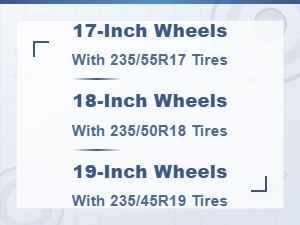 Ford Escape Stock Wheel & Tire Size Guide for Replacement
 Nissan Escape Tire Size Chart by Trim Level
 Stock Tire Size for a Nissan Escape