If you own a Nissan Escape and need new tires, getting the right factory tire size isn't just about fitting the wheel well. The correct tire size affects your speedometer accuracy, fuel economy, braking distance, and how your vehicle handles in rain or on rough roads. Installing the wrong size can also put extra stress on your transmission and drivetrain components. This article covers everything you need to know about replacing your Nissan Escape tires with the correct factory size so you can drive safely and avoid costly mistakes.
What Is the Factory Tire Size for a Nissan Escape?
Every Nissan Escape model year comes with a specific tire size from the factory. This size is determined by the manufacturer based on the vehicle's weight, suspension geometry, and performance targets. The factory tire size is printed on a sticker inside the driver's side door jamb and in the owner's manual. It follows a standard format like 225/65R17, where each number tells you something about the tire's width, sidewall height, and rim diameter.
If you want to see the full OEM tire specifications across different model years, we've put together a detailed breakdown in our Nissan Escape OEM tire specifications guide. That page lists every stock tire size by year and trim so you can confirm what came on your vehicle from the factory.
Why Does Sticking to the Factory Tire Size Matter?
Your Nissan Escape was engineered around a specific tire diameter and width. When you change that, you change how the entire vehicle behaves. Here are the main reasons factory size matters:
- Speedometer and odometer accuracy. A taller or shorter tire changes the revolutions per mile, which throws off your speedometer reading. You could be driving faster than you think.
- Anti-lock braking and traction control. These systems rely on wheel speed sensors calibrated to the factory tire size. Wrong sizes can confuse the sensors.
- Transmission shifting. On some models, the transmission uses wheel speed data to determine shift points. Incorrect tire size can cause rough or delayed shifts.
- Fuel economy. A wider tire increases rolling resistance. A taller tire changes the gear ratio effect. Both can reduce your miles per gallon.
- Clearance and rubbing. Tires that are too wide or too tall can rub against the fender liner, inner fender, or suspension components, especially during turns or when hitting bumps.
How Do I Find My Exact Factory Tire Size?
The easiest way is to check the tire information placard on the driver's side door jamb. Open the door and look for a sticker that lists the original tire size and recommended cold tire pressure. You can also find this information in three other places:
- The owner's manual in the tires and wheels section
- The sidewall of your current tires (if they are still the original factory tires)
- The vehicle identification number (VIN), which can be decoded by a dealer or online tool
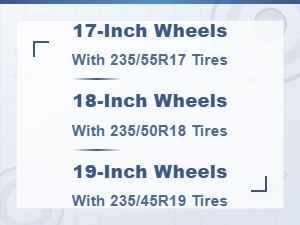
Common factory tire sizes for the Nissan Escape include 225/65R17, 235/55R17, and 235/50R18, depending on the model year and trim level. Our factory tire size replacement guide walks through step-by-step how to match your specific vehicle with the right replacement tire.
Can I Use a Different Tire Size Than the Factory Original?
Technically, yes, but it requires careful calculation. Many owners switch to slightly wider tires for a sportier look or taller sidewalls for a smoother ride. The key is to stay within a reasonable range of the overall tire diameter, usually within 3% of the factory spec.
For example, if your factory tire is 225/65R17, the overall diameter is roughly 28.5 inches. You might be able to run a 235/65R17 (about 29.1 inches) without major issues. But going to a 245/70R17 (about 30.5 inches) would be a significant change that could cause clearance problems and affect your braking system.
A tire size calculator can help you compare diameters between different sizes. Just be honest about whether your Escape has any aftermarket modifications like a lift kit, which would change what fits.
What Happens If I Put the Wrong Size Tires On?
Putting the wrong size tires on your Nissan Escape can create several problems, some immediate and some that build up over time:
- Rubbing and scraping sounds when turning or going over bumps
- Check engine lights or traction control warnings from mismatched wheel speed data
- Uneven tire wear that shortens tire life and costs you money
- Reduced handling and longer stopping distances, which is a safety issue in emergency situations
- Voided warranty coverage on related suspension or drivetrain parts if the dealer can prove the wrong tire caused the damage
If you've already installed a non-standard size and are noticing vibration, pulling to one side, or warning lights, it's worth switching back to the correct specification before the problem gets worse.
What Tire Brands Work Best for a Factory-Size Replacement?
For a straight factory-size replacement, you have plenty of options across different price ranges. The key factors to consider are tread life warranty, wet and dry traction ratings, road noise, and load capacity. Some well-regarded all-season tires in common Nissan Escape sizes include:
- Michelin Defender LTX M/S long tread life and quiet ride
- Continental TrueContact Tour strong fuel efficiency and wet grip
- Bridgestone Alenza AS Ultra balanced performance for crossovers
- General AltiMAX RT45 budget-friendly with solid ratings
Always check that the tire's load index and speed rating match or exceed the factory spec listed on your door placard. Going below those ratings is not safe, even if the physical size fits.
Should I Replace All Four Tires at Once?
On a Nissan Escape with all-wheel drive, replacing all four tires at once is strongly recommended. AWD systems use sensors and clutches to distribute power between the front and rear axles. If the tires have significantly different circumferences due to uneven wear, the system works harder and can overheat or wear out prematurely.
For front-wheel-drive models, you have a bit more flexibility. If only two tires are worn, you can replace just those two. But put the new tires on the rear axle regardless of which axle is driven. New tires on the rear give you better wet-weather traction and reduce the risk of oversteer in a turn. This goes against what many people assume, but tire manufacturers and safety organizations agree on this point.
How Do I Know When My Tires Need Replacing?
Even if you stick with the correct factory size, tires don't last forever. Here are the signs it's time for a replacement:
- Tread depth at or below 2/32 of an inch. Use the penny test: insert a penny head-first into the tread. If you can see all of Lincoln's head, the tread is too low.
- Cracks or bulges in the sidewall. This indicates structural damage and the tire could fail at highway speeds.
- Uneven wear patterns. This often signals an alignment or suspension problem that should be fixed before installing new tires.
- Vibration at highway speeds. Sometimes this is a balance issue, but it can also point to internal tire damage.
- Age. Tires older than six years should be inspected by a professional, even if the tread looks fine. Rubber compounds degrade over time.
What Tire Pressure Should I Run with Factory-Size Tires?
The recommended tire pressure for your Nissan Escape is listed on the same door jamb sticker that shows the tire size. This is typically between 32 and 36 PSI for most model years, but always go by what your specific placard says, not the number on the tire sidewall. The sidewall number is the maximum pressure the tire can handle, not the recommended operating pressure.
Check your tire pressure at least once a month and always when the tires are cold (driven less than a mile). Temperature changes affect pressure tires lose about 1 PSI for every 10-degree drop in ambient temperature.
How Much Does a Factory-Size Tire Replacement Cost?
Budget anywhere from $100 to $200 per tire for most common Nissan Escape tire sizes, depending on the brand and type. Here's a rough breakdown:
- Budget tires: $80–$120 each
- Mid-range tires: $120–$170 each
- Premium tires: $170–$250 each
Factor in an additional $15–$30 per tire for mounting, balancing, and disposal of the old tires. Many shops include these services in the tire price, so always ask. An alignment check after new tires is also a smart investment at around $80–$120 and helps your new tires wear evenly.
If you're comparing specs across different crossover models, our Ford Escape stock wheel and tire dimensions page shows how these vehicles compare in tire sizing, which can be useful if you're cross-shopping or have both in your household.
Common Mistakes People Make When Replacing Nissan Escape Tires
After years of helping owners choose the right tires, here are the most frequent errors we see:
- Buying based on price alone. A cheap tire that wears out in 25,000 miles costs more per mile than a mid-range tire that lasts 60,000 miles.
- Ignoring the load index and speed rating. Size isn't the only specification that matters. A tire that's the right width and diameter but has a lower load rating than factory spec is a safety risk.
- Skipping the alignment. New tires on a misaligned vehicle will wear unevenly and you'll be buying tires again much sooner than expected.
- Mixing tire brands or models. This can cause unpredictable handling, especially in wet conditions. Use the same brand and model on all four corners whenever possible.
- Not rotating tires regularly. Every 5,000 to 7,500 miles keeps wear even and extends the life of your set.
Quick Checklist Before You Buy Replacement Tires
Use this checklist the next time you shop for Nissan Escape tires:
- ✓ Confirm your factory tire size from the door jamb placard
- ✓ Match the load index and speed rating to the factory spec
- ✓ Decide on all-season, winter, or performance tires based on your climate and driving habits
- ✓ Check the tread life warranty longer warranties usually mean harder rubber compounds that may sacrifice some grip
- ✓ Ask about road hazard coverage, which protects against punctures and pothole damage
- ✓ Schedule an alignment after installation
- ✓ Set a reminder to rotate tires every 5,000 to 7,500 miles
- ✓ Check tire pressure monthly and adjust to the door placard spec
Taking five minutes to verify your factory tire size before buying saves you from returns, wasted time, and the safety risks that come with running the wrong tires on your Nissan Escape.
 Nissan Escape Tire Size Chart by Trim
 Nissan Escape Oem Tire Specifications and Replacement Guide
 Nissan Escape Tire Size Guide
 Ford Escape Stock Wheel & Tire Size Guide for Replacement
 Nissan Escape Tire Size Chart by Trim Level
 Stock Tire Size for a Nissan Escape