If you own a 2005 Nissan Escape and need new tires, knowing the right tire size is more important than most people think. The correct size affects your fuel economy, braking distance, ride comfort, speedometer accuracy, and even your safety in wet or icy conditions. Installing a tire that's too wide, too narrow, or has the wrong sidewall ratio can throw off your vehicle's handling and cost you more money down the road. This article covers exactly what tire size your 2005 Nissan Escape needs, how trim levels affect that choice, and what to watch out for when shopping for replacements.
What Is the Recommended Tire Size for a 2005 Nissan Escape?
The standard factory-recommended tire size for most 2005 Nissan Escape trims is P235/70R16. This means the tire has a 235-millimeter width, a sidewall height that is 70% of the width, and fits a 16-inch wheel diameter. Some higher trims or optional packages may have come equipped with P235/65R17 tires on 17-inch wheels.
You can verify your exact tire size by checking the sticker on the driver's side door jamb or by looking at the sidewall of your current tires. If you want a full breakdown by trim, our tire size chart organized by trim level lays it out clearly.
Why Does the Right Tire Size Matter So Much?
Your vehicle's suspension, transmission, and braking system were all engineered around a specific tire diameter and width. When you stray from that spec, even by a small amount, a few things can go wrong:
- Speedometer inaccuracy A tire with a larger overall diameter covers more ground per rotation, making your speedometer read lower than your actual speed.
- Reduced fuel efficiency Wider tires create more rolling resistance, which burns more fuel.
- Poor handling A narrower tire than stock may not grip well during emergency maneuvers or on wet pavement.
- Transmission stress The wrong tire diameter changes the final drive ratio, which can put extra strain on your transmission over time.
- ABS and traction control issues These systems rely on wheel speed sensors calibrated to your factory tire size.
These aren't theoretical problems. Mechanics see them regularly when owners swap in tires that "look close enough."
Does the Trim Level Change the Recommended Tire Size?
Yes, it can. The 2005 Nissan Escape was available in different configurations, and not all of them rolled off the lot with the same tires. Base and mid-level trims typically came with 16-inch wheels and P235/70R16 tires. Some packages included 17-inch alloy wheels with P235/65R17 rubber instead.
Check your specific trim and wheel package before buying. Our OEM tire specifications guide covers factory specs in more detail so you can match your exact setup.
Can I Use a Plus-Size or Aftermarket Tire?
Many owners want to go slightly bigger for a more aggressive look or better off-road grip. This is possible, but you need to stay within a safe range. The general rule is to keep the overall tire diameter within 3% of the factory spec.
For example, if your stock tire is P235/70R16 (overall diameter about 29 inches), a common upgrade might be 245/70R16 (about 29.5 inches). That's roughly a 1.7% difference generally safe. But going much beyond 3% risks rubbing against the wheel well, speedometer error, and the other issues mentioned above.
Here are a few alternatives that are commonly considered compatible with the 2005 Escape:
- 225/70R16 Slightly narrower, often used for better fuel economy in winter driving.
- 245/70R16 A bit wider, gives a slightly more planted feel on the road.
- 235/65R17 The factory 17-inch option if you've upgraded your wheels.
Always check that the load index and speed rating meet or exceed the factory minimum. A tire with a lower load rating than required can overheat and fail under heavy loads or highway speeds.
What Are Common Mistakes People Make When Buying Tires?
After working with vehicle owners for years, here are the errors that come up most often:
- Only looking at the width number A "235" tire isn't automatically compatible. The aspect ratio and rim diameter matter just as much.
- Ignoring the load index and speed rating These numbers on the tire sidewall tell you the maximum weight the tire can carry and the maximum sustained speed it's rated for. Don't go below the factory minimum.
- Buying mismatched tires Mixing different brands or tread patterns between the front and rear axles can cause uneven wear and unpredictable handling, especially in all-wheel-drive models.
- Forgetting the spare tire Your spare should also match your tire size. If you've upgraded to 17-inch wheels, a 16-inch spare won't help much in an emergency.
- Not considering driving conditions If you live in an area with heavy rain or snow, an all-season tire with good wet traction ratings is worth the extra cost over a budget highway tire.
How Do I Read the Tire Size Code on My Current Tires?
If you're standing in your driveway looking at your tires, here's how to decode what's printed on the sidewall. Take P235/70R16 105S as an example:
- P Passenger vehicle tire.
- 235 Tire width in millimeters from sidewall to sidewall.
- 70 Aspect ratio. The sidewall height is 70% of the width (about 164.5 mm in this case).
- R Radial construction (standard for nearly all modern tires).
- 16 Wheel diameter in inches that the tire fits.
- 105 Load index. 105 means each tire can carry up to 2,039 lbs (925 kg).
- S Speed rating. S means the tire is rated for up to 112 mph (180 km/h).
If you want to see how this breaks down across all available trims, our factory tire size replacement guide walks through the full process.
How Much Should Replacement Tires Cost?
Budget all-season tires in the P235/70R16 size typically range from $80 to $130 per tire. Mid-range options from brands like Michelin or Continental run $130 to $180 per tire. Premium or performance-oriented tires can go above $200 each.
Don't forget to budget for mounting, balancing, valve stems, and disposal of old tires. Most shops charge $15 to $30 per tire for these services. A four-tire replacement with mid-range tires typically lands between $600 and $850 installed.
What About Tire Pressure for the 2005 Nissan Escape?
The recommended tire pressure for most 2005 Nissan Escape trims is 30 PSI for both front and rear tires. This is listed on the door jamb sticker and in your owner's manual not on the tire sidewall. The number on the sidewall is the tire's maximum pressure, not the recommended operating pressure.
Check your tire pressure at least once a month and always when the tires are cold (driven less than a mile). Underinflated tires wear faster on the edges, waste fuel, and run hotter. Overinflated tires wear in the center and give a harsher ride.
Quick Pressure Tips
- Add 2–3 PSI if you're carrying heavy loads or towing, but stay below the max rating on the sidewall.
- Check pressure when seasons change. Tires lose about 1 PSI for every 10°F drop in ambient temperature.
- Keep a reliable gauge in your glovebox. The ones built into gas station air pumps are often inaccurate.
What Are Good Tire Brands for the 2005 Nissan Escape?
Several reliable brands offer tires in the correct size for this vehicle. Here are options at different price points:
- Budget: Cooper Discoverer HT3, Kumho Crugen HT51 solid everyday performers without a premium price.
- Mid-range: Michelin Defender LTX M/S, Continental CrossContact LX25 longer tread life warranties and better wet traction.
- Off-road oriented: BFGoodrich All-Terrain T/A KO2, Falken Wildpeak A/T Trail for owners who take their Escape on gravel or dirt roads regularly.
No matter the brand, make sure the tire carries a load index of at least 104 and a speed rating of S or higher to match factory specifications.
Quick Checklist Before You Buy
- Confirm your exact trim and wheel size check the door jamb sticker or owner's manual.
- Match the tire size code exactly width, aspect ratio, and rim diameter must all align.
- Check load index and speed rating meet or exceed factory minimums.
- Decide on driving conditions all-season, highway, or all-terrain based on where you actually drive.
- Get quotes from at least two shops prices for the same tire can vary by $20 or more per tire between retailers.
- Don't skip the alignment a four-wheel alignment after installing new tires prevents uneven wear from day one.
- Rotate tires every 5,000 to 7,000 miles this extends tread life significantly and is usually free or cheap if done at the same shop.
 Nissan Escape Tire Size Chart by Trim
 Nissan Escape Oem Tire Specifications and Replacement Guide
 Nissan Escape Factory Tire Size Replacement Guide
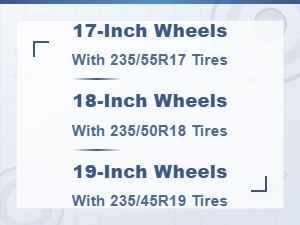 Ford Escape Stock Wheel & Tire Size Guide for Replacement
 Nissan Escape Tire Size Chart by Trim Level
 Stock Tire Size for a Nissan Escape